
6 min read

Casing Scraper vs. Casing Brush - Which Do You Need for Wellbore Cleanup?

Casing Scraper vs. Casing Brush — Which Do You Need? | M&M Oil Tools
16:21

In this guide: What casing scrapers and casing brushes do, the key mechanical differences between them, when to use each, when to run both, and how to select the right tool for your specific well conditions and operation type.

Wellbore cleanliness directly affects completion performance, zonal isolation, packer seating, and the reliability of every operation run below the casing shoe. Yet the choice between a casing scraper and a casing brush is one that gets less deliberate attention than it deserves and operators defaulting to one tool based on habit rather than well conditions.

This guide gives completion engineers and operations teams a clear, technically grounded framework for making the right call.


What Is the Difference Between a Casing Scraper and a Casing Brush?

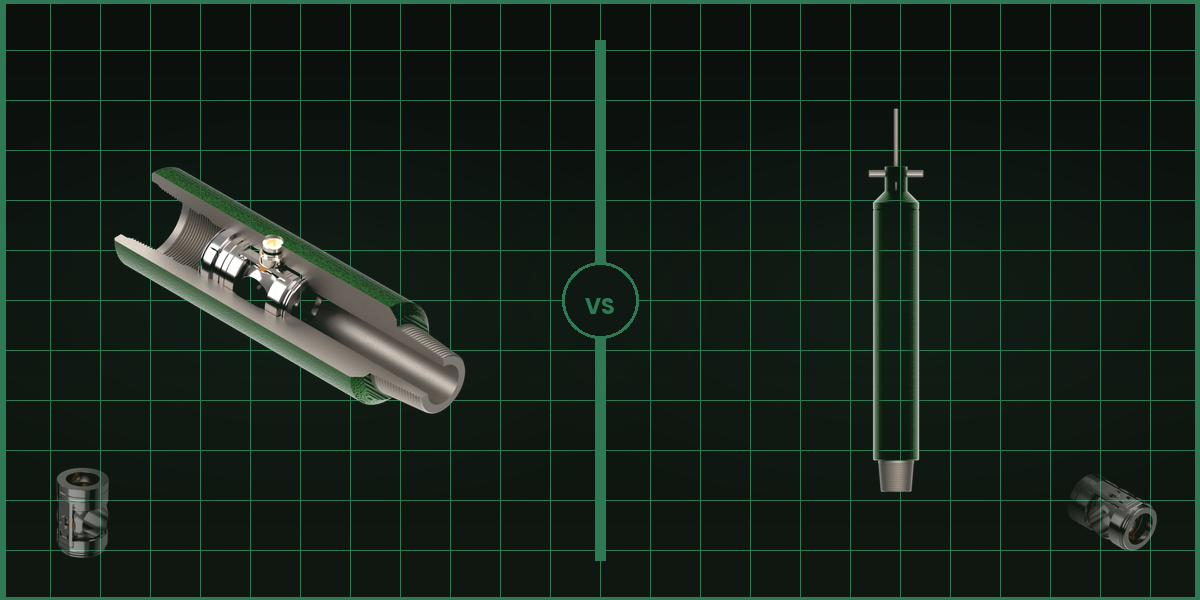
A casing scraper uses hardened steel blade blocks to physically cut and remove bonded debris (scale, cement sheath, rust, mill varnish, and perforation burrs) from the interior wall of the casing. It is the right tool when material is adhered to or built up on the casing ID and needs to be mechanically dislodged.

A casing brush uses premium stainless steel wire bristles to scrub the casing surface and dislodge loose particulates, fines, and corrosion - reaching into corrosion pits and coupling recesses that scraper blades physically cannot access. It is the right tool when the casing ID needs a thorough scrubbing pass after hard deposits have already been removed, or when the debris profile consists primarily of loose material, fines, and surface contamination.

The critical distinction:

  • Scrapers cut and remove

  • Brushes scrub and dislodge

  • They address different debris types and different stages of the cleaning sequence.


Casing Scraper vs. Casing Brush: Side-by-Side Comparison

Casing Scraper Casing Brush

Cleaning Mechanism

Hardened steel blade blocks

Premium stainless steel wire bristles

Debris Type

Bonded scale, cement, rust, mill varnish, perforation burrs

Loose fines, corrosion, coupling recess debris, residual particulates

Casing Pit Access

No — blades contact surface only

Yes — bristles reach into pits and recesses

Rotation Required

Recommended for maximum effectiveness

Not required — cleans RIH and POH

Wellbore Profile

Vertical, deviated, horizontal

Vertical, deviated, horizontal

Typical Sequence

Run first

Run second, after scraper

Size Availability

2 3/8" to 22" OD

4" to 16" OD

CRA Safe

Standard steel blades

Yes — stainless bristles prevent contamination

Primary Applications

Pre-cement, pre-perforation, pre-packer, post-mill

Pre-completion, pre-logging, pre-packer, post-scraper cleanup


What Does a Casing Scraper Do?

A casing scraper removes debris that is bonded or built up on the casing ID - the material that a brush cannot dislodge because it requires mechanical force to break free.

M&M's casing scraper tools use staggered spring-loaded blade blocks that provide 360° casing coverage in a single pass, combined with a large internal diameter that supports high-rate circulation for maximum debris removal. The spring-loaded design accommodates one of the largest casing working ranges in the industry, covering multiple casing weights within a single tool size.

Run a casing scraper before:

  • Cementing: to remove mill varnish, rust, and any debris that would compromise cement bond quality and zonal isolation
  • Perforating: to clear the casing ID and ensure perforating guns pass freely
  • Setting packers or completion tools: to eliminate obstructions that could prevent proper tool passage or seating
  • Well intervention and workover operations: to clean up scale or deposit buildup that has accumulated during production

M&M's casing scrapers have been a trusted industry standard since 1947, engineered with a high-strength alloy steel mandrel, carburized and heat-treated blade blocks, and an anti-hangup design with angled cutting edges and body bevels to prevent snagging on casing connections in deviated and horizontal wells.

A built-in wear groove allows quick visual inspection of blade condition in the field, no disassembly required.


What Does a Casing Brush Do?

A casing brush removes what a scraper leaves behind - the loose fines, residual particulates, and surface contamination that collect in corrosion pits and coupling recesses where blade blocks cannot reach.

M&M's casing brush tools deliver true 360° contact using premium-grade stainless steel wire bristles secured by solid machined shoulders: no fasteners, bolts, or loose parts that can fail downhole or require magnet pickup runs. The stainless construction makes the brush CRA-safe, protecting corrosion-resistant alloy tubulars from carbon steel contamination.

A critical operational advantage: the casing brush does not require rotation. It cleans effectively while running in hole (RIH) and pulling out of hole (POH), making it suitable for well profiles and wellbore conditions where rotation is impractical or restricted.

Run a casing brush before:

  • Completion logging runs: to ensure a clean casing ID free of debris that could interfere with log quality or tool passage
  • Setting packers in wells with corrosion or coupling buildup: where scrapers alone may not achieve the cleanliness required for proper seal
  • Any operation in a well with a history of corrosion, scale, or particulate accumulation
  • Post-scraper cleanup: to remove the fine debris dislodged by the scraper before the next operation


When Should You Run Both?

Running a casing scraper followed by a casing brush is the most thorough wellbore cleaning approach available and it is standard practice before critical operations where cleanliness directly affects outcome.

The sequence:

  1. Run the casing scraper to mechanically remove bonded deposits and hard debris
  2. Circulate to lift dislodged material out of the wellbore
  3. Run the casing brush to scrub residual fines, reach pits and recesses, and achieve maximum casing ID cleanliness

This combination approach is particularly important before primary cementing on wells where zonal isolation is critical, before setting production packers in corrosive environments, and in workover operations where scale and deposit buildup has occurred over the life of the well. The scraper does the heavy lifting; the brush finishes the job.


Which Tool Do You Need?

The decision comes down to three questions:

  1. What type of debris are you dealing with?

    • If it's bonded (cement, scale, hardened rust, mill varnish) you need a scraper.

    • If it's loose (fines, particulates, corrosion in pits) you need a brush.

    • If it's both, you need both.

  2. What is your operation?

    • Pre-cement and pre-perforation applications almost always warrant a scraper as the primary tool.

    • Pre-completion and pre-logging passes benefit significantly from a brush follow-up.

  3. What does your well history tell you?

    • Wells with known corrosion, scale buildup, or CRA tubulars have specific cleaning requirements.

    • The brush's stainless construction is non-negotiable for CRA casing to prevent carbon steel contamination.

When in doubt, the combination run eliminates guesswork and ensures maximum wellbore cleanliness before your next critical operation.

Both tools are available for rent or purchase, maintained to API/ISO quality standards and available for fast mobilization across the Gulf of Mexico, U.S. land markets, and international locations.


Contact our team or give us a call at 877-240-9564 today!


Frequently Asked Questions


What is the difference between a casing scraper and a casing brush?

A casing scraper uses hardened steel blade blocks to cut and remove bonded deposits — cement, scale, rust, and mill varnish - from the casing ID. A casing brush uses stainless steel wire bristles to scrub loose fines and debris from the casing surface, reaching corrosion pits and coupling recesses that scraper blades cannot access. They address different debris types and are most effective when run in sequence — scraper first, brush second.

When should I run a casing scraper?

Run a casing scraper before any operation where a clean casing ID is critical — most commonly before cementing, perforating, setting packers, running completion tools, or conducting well intervention work. It is also recommended after casing is landed to remove mill varnish and handling debris introduced during running operations.

Does a casing brush require rotation?

No. M&M's casing brush tool delivers full 360° cleaning performance without rotation, working effectively while running in hole (RIH) and pulling out of hole (POH). This makes it suitable for deviated and horizontal wells or wellbore conditions where rotation is restricted.

Can I run a casing scraper and casing brush in the same BHA?

Yes. Running both tools in the same bottomhole assembly is common practice for thorough single-pass wellbore cleaning. The scraper removes bonded hard deposits; the brush cleans the residual fines and reaches into areas the scraper cannot. For separate runs, the scraper should always be run first, followed by circulation to remove dislodged debris, and then the brush.

What sizes are M&M casing scrapers and casing brushes available in?

M&M casing scrapers are available for API and non-API tubing and casing from 2 3/8" to 22" OD. M&M casing brush tools are available for casing sizes from 4" to 16" OD. Both cover vertical, deviated, and horizontal well profiles.

Are M&M casing brushes safe for CRA tubulars?

Yes. M&M's casing brush tools use premium-grade stainless steel wire bristles specifically to prevent carbon steel contamination of corrosion-resistant alloy (CRA) tubulars. Standard steel scraper blades are not CRA-safe — this is one of the key reasons both tools are run in applications involving CRA casing.


Sources & Standards Referenced


Green M from the M&M Oil Tools logo with their graphic illustration of a green valveAbout Us

M&M Oil Tools has served the oil and gas industry since 1944, manufacturing IBOP valves, kelly and safety valves, casing scrapers, casing brushes, and surface test trees from our purpose-built facility in Breaux Bridge, Louisiana. Made in the USA. Every valve ships with mill certificates, test reports, and a Certificate of Conformance.
Contact Us · +1 (877) 240-9564 · mmoiltools.com